Lincoln Global: PhD By Research
The foundation of the PhD (by research) programme is based in the Lincoln Global Postdoctoral Programme (LGPR). The LGPR programme was launched in December 2025 and the programme saw a massive inflow of applications.
Total publications
Q1 publications
SCI-indexed publications
Researchers published at SCI Q1 with open-access support
A PhD built on the LGPR programme
At various forums a need was felt to start a multi-university collaborated PhD Programme under the stewardship of Lincoln University College Malaysia.
Background & Programme Philosophy
The foundation of the PhD (by research) programme is based in the Lincoln Global Postdoctoral Programme (LGPR). The LGPR programme was launched in December 2025 and the programme saw a massive inflow of applications.
LGPR Programme Landing Page: https://www.sgs-lincoln.com/
At various forums a need was felt to start a multi-university collaborated PhD Programme under the stewardship of Lincoln University College Malaysia.
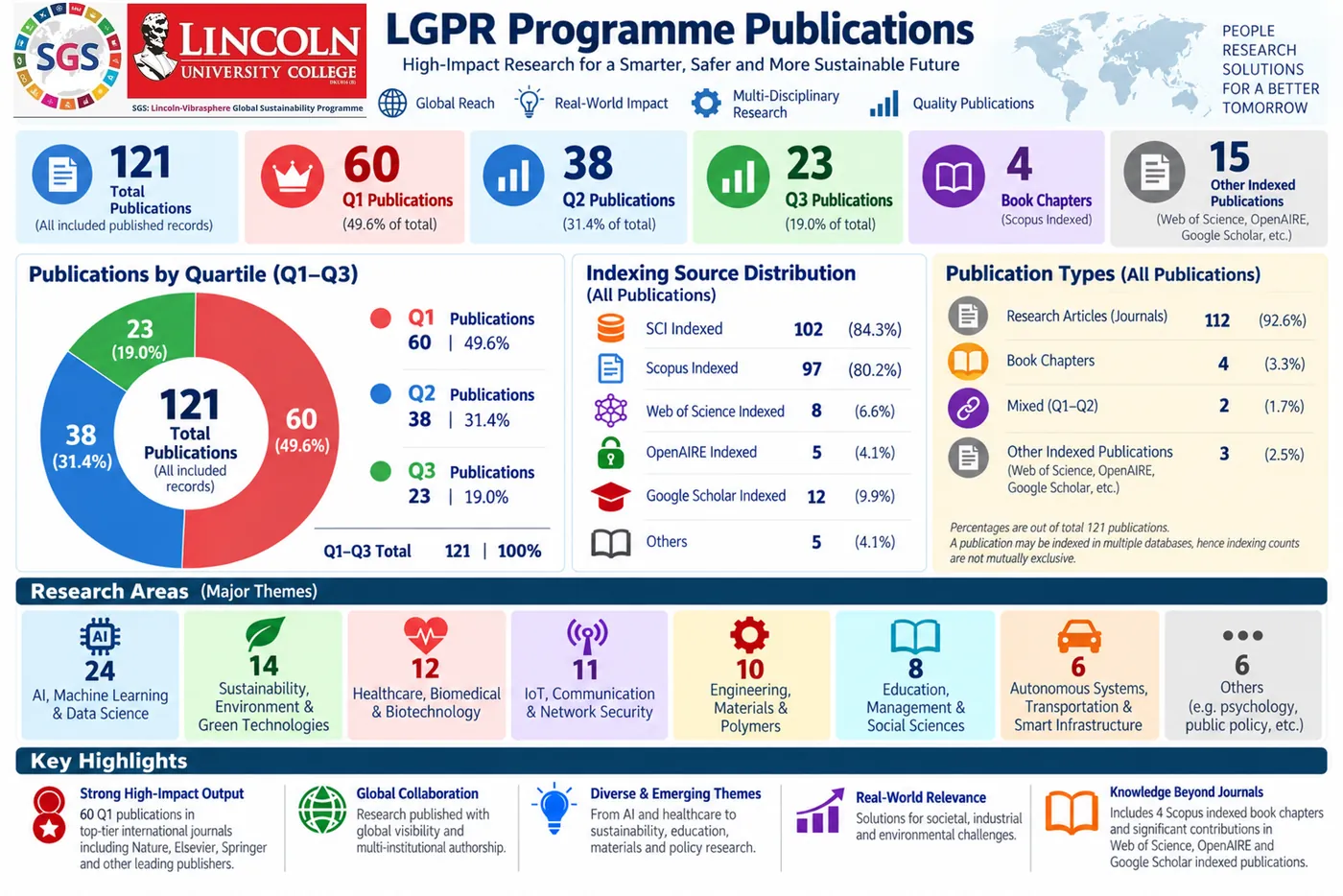
LGPR Outcomes 2025-26
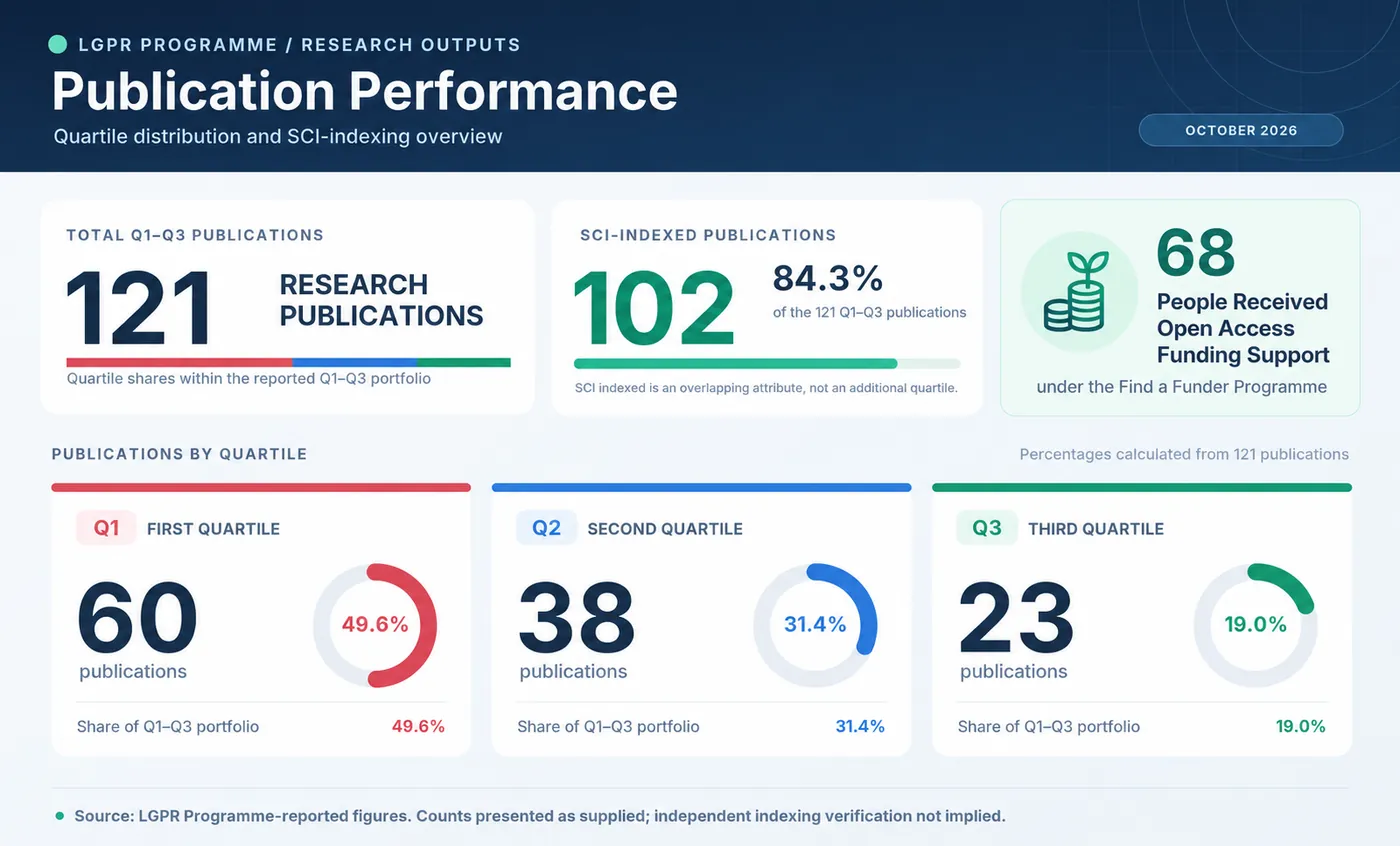
Publications Vs Quartile | Of the 179 researchers who received Open access fund support, a total of 68 researchers could convert into publication at SCI Q1 outlets.
PhD By Research Journey [ 36 months Graduation on Time Model]
Programme at a Glance. Three years, six semesters: coursework and supervisor allotment first, then proposal defence, progress reports, conferences, SCI publication, and the viva.
Semester 1
- Research methodology.
- Computer Application.
- Issuance of Coursework completion letter.
- Allotment of Supervisor.
Semester 2
- Research Proposal Defence.
- Supervisor-Department Review meetings.
- Conference 1- SCOPUS Indexed/ Book Chapter.
Semester 3
- Complete 1st Research Progress Report;
- Conference 2- SCOPUS Indexed/ Book Chapter.
- Regular Supervisor meetings & Reports.
Semester 4
- Complete 2nd Research Progress Report;
- Supervisor-Department Review meetings.
- Conference 3- SCOPUS Indexed/ Book Chapter
Semester 5
- Complete 3rd Research Progress Report;
- Publish two SCI Journal articles.
- Draft of the PhD thesis to be completed and reviewed.
Semester 6
- Complete 4th and final research progress.
- Viva-Voce Defence
- Submission of final Thesis copies
Research · Teach · Guide · Innovate
The Lincoln Global PhD by Research Programme aims to develop independent, internationally competent researchers capable of contributing to academia, industry and technological innovation. The programme is built around four fundamental competencies: Research, Teach, Guide and Innovate, supported by scientific publication, international collaboration and responsible research practices.
Upon successful completion, doctoral graduates are expected to demonstrate the following outcomes:
Research — Independent Scientific Investigation
- Identify research gaps and formulate original scientific questions.
- Design and independently execute advanced research projects.
- Apply appropriate experimental, theoretical, computational and analytical methodologies.
- Generate original knowledge contributing to the advancement of their respective disciplines.
Teach — Knowledge Dissemination
- Communicate complex scientific and technical concepts effectively.
- Develop research-based teaching materials and academic presentations.
- Conduct research seminars, workshops and knowledge-sharing activities.
- Demonstrate the ability to transfer specialized knowledge to students, researchers and professionals.
Guide — Research Mentorship and Leadership
- Develop competencies for mentoring undergraduate, postgraduate and early-career researchers.
- Provide methodological guidance in scientific investigations.
- Coordinate interdisciplinary research activities and collaborative projects.
- Demonstrate academic leadership, critical evaluation and constructive scientific feedback.
Innovate — Research Translation and Technology Development
- Translate scientific discoveries into practical applications, technologies or processes.
- Identify opportunities for intellectual property development, patents and technology transfer.
- Develop research-driven solutions addressing industrial, technological and societal challenges.
- Explore entrepreneurship and commercialization opportunities arising from research outcomes.
Scientific Publications and International Collaboration
- Produce original research suitable for internationally recognized peer-reviewed journals.
- Present scientific findings at national and international conferences.
- Develop competencies in scientific writing, manuscript preparation and peer review.
- Establish collaborative research networks involving universities, research laboratories and industries.
- Engage in multidisciplinary research addressing emerging scientific and technological challenges.
Research Ethics and Professional Development
- Demonstrate academic integrity, research transparency and responsible scholarly conduct.
- Acquire skills in research project management, grant proposal development and scientific communication.
- Understand ethical considerations concerning data management, intellectual property and research publications.
- Develop the professional competencies necessary for careers in academia, industrial R&D, research management and entrepreneurship.
Research independently, Teach effectively, Guide future researchers and Innovate for scientific, industrial and societal advancement.
Graduates of the programme are expected to emerge as independent researchers, competent educators, research mentors and innovation-oriented professionals capable of sustaining productive research careers.
The programme emphasizes not merely the completion of a doctoral thesis or prescribed publications, but the development of researchers who can:
The successful doctoral graduate should possess the intellectual independence, scientific expertise and professional capabilities required to contribute meaningfully to the international research ecosystem.
Who can apply
Applicants seeking admission to the Lincoln Global PhD by Research Programme must satisfy the entry requirements of the respective doctoral programme offered by Lincoln University College, Malaysia.
Academic Qualifications
Applicants must possess either:
- A Master’s Degree (Level 7, Malaysian Qualifications Framework — MQF) in a relevant field from a recognized university, accepted by the Lincoln University College Senate; or
- Other qualifications equivalent to a Master’s Degree (MQF Level 7), accepted by the Lincoln University College Senate.
Applicants from Different Disciplines
Candidates holding a Master’s Degree in a discipline different from the proposed doctoral field may be considered where permitted under the relevant LUC programme regulations. Such candidates may be required to undertake prerequisite courses or undergo internal academic assessment, as determined by the University.
English Language Proficiency
International applicants must demonstrate English language proficiency in accordance with the requirements of their respective doctoral programmes. Accepted qualifications include IELTS, TOEFL or recognized equivalent English proficiency assessments, with minimum scores determined by the relevant LUC programme.
Admission Approval
Final admission shall be subject to verification of academic qualifications, fulfilment of the applicable programme-specific requirements and approval by Lincoln University College through its prescribed admission procedures.
Seven milestones to the doctorate
Candidates enrolled in the Lincoln Global PhD by Research Programme must successfully complete the academic and research requirements prescribed by Lincoln University College, Malaysia, within the approved period of candidature.
Research Coursework
Candidates shall successfully complete the compulsory research-related courses prescribed under their registered doctoral programme, including Research Methodology, Computer Applications, Data Analysis or other relevant research-support courses, where applicable.
Research Proposal Defence
Candidates must develop and successfully defend a doctoral research proposal demonstrating originality, research significance, appropriate methodology and feasibility of the proposed investigation.
Research Progress and Supervision
Candidates shall maintain satisfactory academic progress through:
- Regular engagement with appointed research supervisors.
- Periodic research progress reports and evaluations.
- Participation in prescribed research seminars and academic reviews.
- Completion of research milestones approved by the University.
Scientific Publications and Conferences
Candidates must fulfil the scientific publication and conference participation requirements applicable to their respective LUC doctoral programmes.
Publication requirements, including indexing standards, minimum publications and conference obligations, are detailed separately under Publication and Thesis Requirements.
Doctoral Thesis Submission
Candidates must submit an original doctoral thesis demonstrating independent research and a significant contribution to knowledge in their respective disciplines.
The thesis shall comply with the academic, structural and research integrity requirements prescribed by Lincoln University College.
Thesis Examination and Viva Voce
Candidates must successfully complete the prescribed thesis evaluation and viva voce examination, undertake any required corrections and obtain the necessary academic approvals.
Final Graduation Approval
The award of the doctoral degree shall be subject to:
- Successful completion of all prescribed academic and research requirements.
- Satisfactory thesis evaluation and viva voce results.
- Completion of required academic and administrative clearances.
- Final approval by the Lincoln University College Senate.
The doctoral degree shall be awarded exclusively by Lincoln University College, Malaysia, in accordance with its approved academic regulations.
Three pathways, one thesis
One of the following conditions must be satisfied for PhD completion. All articles must be towards the same theme of the thesis.
Clarivate Analytics database: SCI/WoS/SSCI/AHCI/ESCI
Standard format Two Journal articles accompanied by Four conference articles.
SCOPUS only
Standard format three SCOPUS only Journal articles accompanied by Four conference articles.
SCOPUS & SCI Mixed mode publishing
Standard format Two SCOPUS and One SCI Journal articles accompanied by Four conference articles.
- Q4 Articles will not be considered.
- Safest Database: Clarivate Analytics yearly JCR
- Thesis would be the compilation of the published articles.
Visit an LGPR consortium research group
Exceptional candidates would be selected to visit LGPR consortium of research groups for one or two semesters. The stipend will be paid by the host professor’s lab funds. Current list of countries where the consortium is based:
1Oman 2Saudi Arabia 3Chile 4China 5Malaysia 6UAE & Gulf Countries
Register online, then upload your documents
Start your application
Talk to the programme team
Prof Sai Kiran Oruganti
Faculty of Engineering and Built Sciences, LUC Malaysia
Prof Shashi Kant Gupta
Faculty of Engineering and Built Sciences, LUC Malaysia
Have these ready before you register
| Document Name | Description | Document Type |
|---|---|---|
| CV | Two Page long CV | |
| Passport Size Photo | Photo with light background | JPEG |
| Contact Phone | Primary and Secondary- Make sure they work | — |
| Email ID | Primary and Secondary- Make sure they work | — |
| Passport Copy | Scanned Passport Copy First to last page | |
| Bachelors Certificates | — | |
| Bachelors Transcripts | — | |
| Masters Certificates | — | |
| Masters Transcript | — | |
| Upload under Other documents: English Language proficiency certificate | IELTS/TOEFL/ Bonafide Certificate from University or College stating that medium of study was English. | |
| Research Description | Brief 2 Page research proposal, that you wish to pursue during your PhD | |
| Experience Letters | Letter from Employer or Certificate of Employment or Experience Letter/certificate |
A globally connected research ecosystem
Institutional Framework
The Lincoln Global PhD by Research Programme is an initiative of Lincoln University College (LUC), Malaysia, operating within its approved academic and quality assurance framework. The programme establishes an international network of academics, research supervisors, and research laboratories to facilitate postgraduate research, scientific collaboration, and innovation.
The International Advisory Committee forms an integral part of the larger Research Supervisor Pool, contributing to postgraduate supervision, collaborative research, and programme development.
Appointment and Institutional Recognition
Members of the International Advisory Committee and Research Supervisor Network shall receive:
- Official appointment letters issued through the Programme Steering Committee.
- Official LUC institutional email addresses.
- Registration on the university’s Supervisor Portal for research supervision.
- Recognition through the official programme website and/or brochure.
- An initial six-year appointment tenure for Advisory Committee members, with provision for extension.
Postgraduate Research Supervision
- Each doctoral candidate shall be assigned two Research Supervisors, facilitating shared academic guidance and international research collaboration.
- Candidates undergo academic screening and interviews conducted through LUC. Their profiles are subsequently shared with supervisors based on research interests and disciplinary expertise.
- Supervisors retain the flexibility to accept or decline candidates according to research compatibility and availability.
- Supervisory responsibilities include research methodology, scientific investigations, publication preparation, progress monitoring, and doctoral thesis development.
- Remote supervision is permitted, with supervisory engagement coordinated between candidates and supervisors in accordance with university requirements.
International Research Collaboration
Lincoln Global envisages a distributed international network of research laboratories and academic groups to facilitate:
- Collaborative research projects and scientific publications.
- Bilateral and multilateral research funding applications.
- Research mobility and international academic partnerships.
- Interdisciplinary research, innovation, and technology development.
Members with suitable research infrastructure may voluntarily host doctoral candidates for approximately six months, subject to available funding and facilities.
Laboratory hosting is optional and is not a prerequisite for participation.
Joint Research Funding and Professional Opportunities
The programme envisages joint research funding as an important mechanism for sustaining and expanding international academic collaborations.
Participating academics are encouraged to initiate research proposals as Principal Investigators (PIs), Co-Principal Investigators (Co-PIs), and research collaborators.
Such initiatives may facilitate:
- Research grants and institutional funding.
- Project-based consultancy and professional remuneration.
- Doctoral fellowships, stipends, and research assistance.
- International research exchanges and laboratory collaborations.
- Joint scientific publications and intellectual property development.
Financial support arising from funded projects shall depend on grant provisions and mutually agreed institutional arrangements.
Academic Recognition and Engagement
Members may contribute through doctoral supervision, research mentorship, scientific publications, academic collaborations, and international conference activities.
Opportunities include participation as Track Chairs, Session Chairs, Scientific Reviewers, and Research Collaborators, with formal recognition for designated conference responsibilities.
Participation is flexible, based on academic expertise, interests, and availability. No compulsory laboratory hosting or candidate supervision obligations are imposed.
Detailed supervisory guidelines and Standard Operating Procedures (SOPs) shall be communicated following the prescribed academic approvals.
To establish a globally connected research ecosystem where academics, doctoral researchers, and research laboratories collaborate across institutional and geographical boundaries, advancing scientific excellence, international research productivity, and innovation.
The people behind Lincoln Global
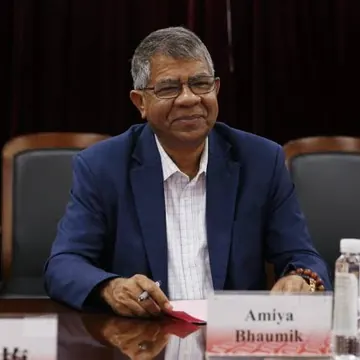
Prof Amiya Bhaumik
President Lincoln University College Malaysia.
Prof. Dr. Amiya Bhaumik is the Founder and President of Lincoln University College (LUC), Malaysia, and Chief Executive Officer of the Lincoln Institute of Higher Education, Australia. He is an internationally experienced academic leader with extensive contributions to higher education, institutional development, and international academic collaboration. He previously served as Vice-Chancellor of Lincoln University College, Research Fellow at UNESCO, Paris, and Director of International Affairs at Ottawa University, USA. He has also held professorial appointments in Business Administration at the University of Malaya, Malaysia, and the University of Lucknow, India. His professional contributions include developing international educational partnerships, academic policies, institutional strategies, and research initiatives. He has authored scholarly publications and contributed to advancing interdisciplinary education and global academic cooperation. In recognition of his contributions to education, he received the Bintang Cemerlang Melaka (B.C.M.) distinction from the Government of Melaka, Malaysia, in 2020.
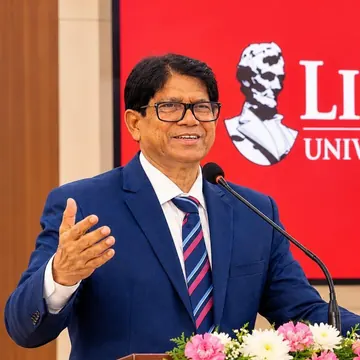
Prof Dr. Srikrishna Banerjee
Director of Collaborative Studies, Lincoln University College Malaysia.
Prof. Dr. Srikrishna Banerjee is an academic administrator and education professional associated with Lincoln University College (LUC), Malaysia. He serves as Director of Lincoln Education Private Limited, India, and has held leadership responsibilities in international academic collaborations, institutional development, and educational partnerships. He has previously served as Director of Marketing and Director of Collaborative Studies at Lincoln University College, facilitating academic partnerships and institutional cooperation between LUC and educational institutions in India and internationally.
He is also associated with the Lincoln Research Institute, which promotes interdisciplinary research in Computer Science, Engineering, Medical Applications, Forensic Science, and Bioinformatics. His administrative responsibilities encompass human resources, institutional operations, procurement, and organizational development. Through his involvement with Lincoln University College and its associated institutions, he has contributed to expanding international educational opportunities, promoting research collaborations, and strengthening academic partnerships.
Steering the programme
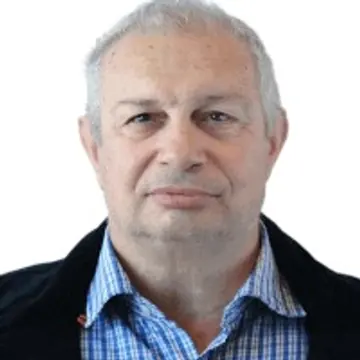
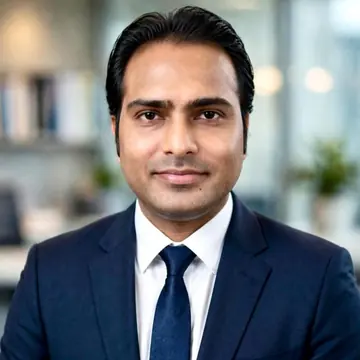
Prof. Dimitrios Karras
Scopus Profile: 55549675500
National Kapodistrian University of Athens (NKUA), Greece & EPOKA University, Albania
Prof. Dimitrios A. Karras specializes in Artificial Intelligence, Intelligent Systems, Machine Learning, Signal Processing, and Computational Intelligence. With over 300 research publications, his contributions span neural networks, pattern recognition, distributed systems, and biomedical applications. He actively serves as an editor, keynote speaker, and organizing committee member at international scientific conferences. He has been in an advisory role on the LGPR and LUC’s global research initiatives.
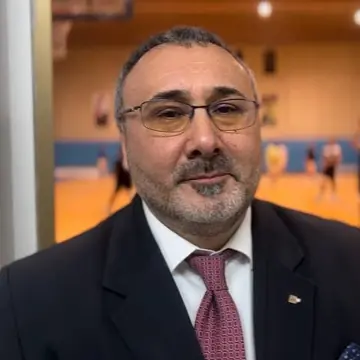
Prof. Shashi Kant Gupta
Scopus ID: 57461623200
Lincoln University College Malaysia.
Professor of Computer Science and Engineering at Lincoln University College, Malaysia. He holds a PhD in Computer Science and Engineering from Integral University, India. His research interests include Artificial Intelligence, Cloud Computing, Big Data Analytics, Internet of Things, and Computational Intelligence. He plays an important role in the Lincoln Global Postdoctoral and Researcher Programme (LGPR), facilitating research supervision, international collaborations, and scholarly publications. An experienced academic editor, he is associated with leading publishers, including Springer Nature, Taylor & Francis, CRC Press, and IGI Global. His contributions emphasize interdisciplinary research, innovation, and academic mentorship. Since 2024 he has been active with LUC’s global research initiatives at execution level.
Dr Eugenio Vocaturo
Scopus Profile: 57188803544
CNR Rome, Italy.
Dr. Eugenio Vocaturo is a researcher at the Italian National Research Council (CNR-NANOTEC), where he leads the Artificial Intelligence Laboratory. His research focuses on machine learning, explainable artificial intelligence, medical image analysis, precision agriculture, and intelligent decision-support systems. He actively contributes to interdisciplinary research, international collaborations, and AI-driven technological innovation. He has been in an advisory role on the LGPR and LUC’s global research initiatives.

Prof. Sai Kiran Oruganti
Scopus ID: 55820566100
Lincoln University College Malaysia · CEO TIH Indian Institute of Technology Patna · Director AWF CSVTU Bhilai.
Prof. Sai Kiran Oruganti earned his M.S. (Germany, 2008) and Ph.D. (UNIST, South Korea, 2016). He was Assistant professor at IIT Tirupati, Research Professor at UNIST
(supporting ZN Ocean Technologies), and Full Professor at Jiangxi University, China (Foreign Talents Programme). His Zenneck-wave power research yielded 16 commercialized patents and two startups, both undergoing successful mergers and acquisitions. Recipient of the 2016 URSI Young Scientist Award and IEEE Sensors Council recognition, he has served since 2022 as Founding CEO of IIT Patna’s Technology Innovation Hub, whose AI/prototyping initiatives created 18,000-plus telecom jobs. Since 2024, he has been Associate Professor at Lincoln University College, Malaysia, shaping global research initiatives.University College Malaysia and has been policy maker for several of LUC’s global research initiatives.
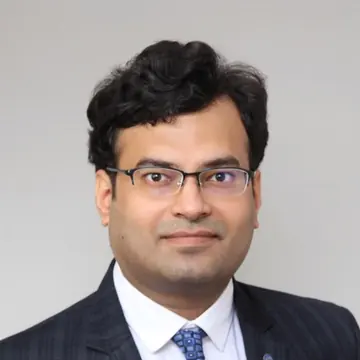
Dr. Abhinav Sharma
Scopus Profile: 59338348700
Sensors, Optoelectronics, and Materials, Tokushima University Japan.
Dr. Abhinav Sharma is a materials science researcher at Tokushima University, Japan, specializing in nanomaterials, advanced sensing technologies, and optoelectronic devices. His research encompasses electrochemical biosensors, metal-oxide transistors, functional nanomaterials, and plasmonics. His contributions focus on developing innovative materials and sensing platforms for biomedical diagnostics and emerging technological applications. He has been in an advisory role on the LGPR and LUC’s global research initiatives.
42 academics, one research supervisor pool
The International Advisory Committee forms an integral part of the larger Research Supervisor Pool, contributing to postgraduate supervision, collaborative research, and programme development.
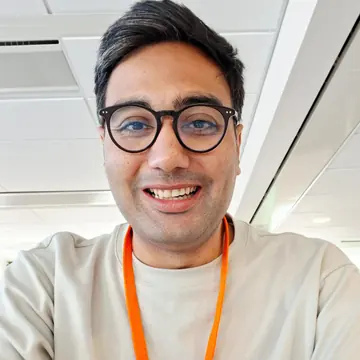
Dr. Inam Ullah Khan
Scopus ID: 57194467436
Electrical Electronics and Computer Engineering, · CISCO Academia, Stockholm Sweden · Lincoln University College Malaysia · King’s College London, UK.
Prof. Dr. Inam Ullah Khan is a researcher based in Stockholm, Sweden, and Professor at Lincoln University College, Malaysia, specializing in artificial intelligence, cybersecurity, and secure autonomous systems. As a Visiting Researcher at King’s College London, United Kingdom, he was under a prestigious fully funded programme to research on IoT Security. Holding a Ph.D. in Electronic Engineering, he has over 14 years of experience in UAV communications, Flying Ad Hoc Networks, IoT security, and intelligent routing protocols. His scholarly portfolio includes more than 150 research publications, over 50 edited international books, and three patents. A Senior Member of IEEE, he is also Founder of AI-Explain You Science, Sweden, and a Postdoctoral Research Fellow at Multimedia University, Malaysia. His research leadership extends to doctoral co-supervision, postdoctoral mentorship, and international scientific collaborations, with particular emphasis on AI-driven cybersecurity and next-generation intelligent communication networks.
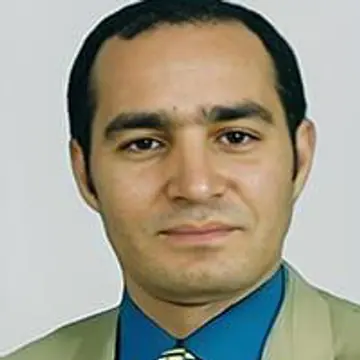
Prof. Dr. Smain Femmam
Signal Processing, Communication Systems, Embedded Systems & Safety Engineering · Director of Research, University of Haute-Alsace, France · Vice President, International Engineering and Technology Institute (IETI).
Prof. Dr. Smain Femmam is Director of Research at the University of Haute-Alsace, France, and leads research activities in Signals and Safety Systems at the Polytechnic Engineers School, Sceaux, France. He holds an M.S. and Ph.D. in Signal Processing and Computer Science from Versailles University, France, and obtained his Habilitation to Direct Research (HDR) in 2013. He has held postdoctoral and distinguished visiting professorship appointments at Carnegie Mellon University and West Virginia University, USA. His research encompasses signal processing, communication systems, embedded technologies, optimal filtering, spectral analysis, wavelets, and haptic perception. A Senior Member of IEEE and Vice President of IETI’s Executive Committee, he actively contributes to international scientific leadership and academic collaboration. His scholarly portfolio includes over 170 research papers, seven books, four book chapters, and two edited volumes, with publications associated with Wiley, Springer, and Elsevier. He has supervised numerous research theses, including doctoral research, and serves in editorial and advisory capacities for more than 20 international scientific journals, contributing extensively to research excellence and advanced doctoral scholarship.

Dr. Anu Sayal
Scopus ID: 57204790343
Applied Mathematics, Artificial Intelligence, Machine Learning, Fuzzy Optimization, Financial Analytics & Sustainable Business Management · Taylor’s University · Madhav Institute of Technology and Science (MITS), Deemed University, Gwalior, India.
Dr. Anu Sayal is an Associate Dean and Associate Professor at the Centre for Artificial Intelligence, MITS Deemed University, Gwalior, India. She holds a Ph.D. in Mathematics from Veer Madho Singh Bhandari Uttarakhand Technical University, Dehradun, and has over 19 years of academic experience. Previously, she served at Taylor’s University, Malaysia, JAIN University, and Uttaranchal University, India. Her interdisciplinary research encompasses mathematical optimization, fuzzy systems, artificial intelligence, machine learning, financial analytics, sustainable finance, and inventory management. Her CV reports 68 publications in Scopus-indexed journals, including 29 in Q1 journals, alongside 19 publications in Web of Science journals. A recipient of the Young Scientist Award (2020) from the Uttarakhand Council for Science and Technology, she has contributed to patents, scholarly books, international research collaborations, doctoral supervision, and academic editorial activities, including serving as an Academic Editor for PLOS ONE.
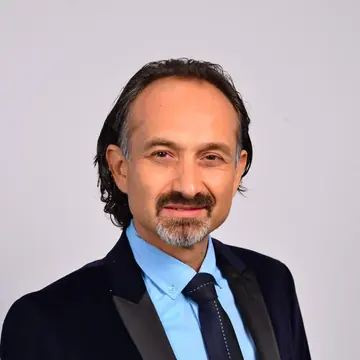
Prof. Dr. Valentin Vasilev
Scopus ID: 58533458600
Human Resource Management, Crisis Management, Public Administration & Leadership · New Bulgarian University, Bulgaria · Former Professor, Higher School of Security and Economics, Plovdiv, Bulgaria.
Prof. Dr. Valentin Vasilev is a Lecturer at New Bulgarian University, Bulgaria, and former Professor of National Security at the Higher School of Security and Economics, Plovdiv, where he headed the Center for Leadership and Public Policy. With over two decades of academic experience, his research encompasses human resource management, organizational behaviour, crisis management, leadership, public administration, and sustainable development. His scholarly portfolio includes over 100 scientific publications and seven monographs, alongside editorial and reviewing contributions to international publishers, including Springer, Emerald, and IGI Global. He participated in an international study on Sustainable Human Resource Management coordinated by SGH Warsaw School of Economics, involving over 50 countries. His extensive public-sector experience includes serving as Deputy Mayor and Municipal Ombudsman of Blagoevgrad and advising numerous governmental institutions. He is the founder of Motivation 4.0, an internationally oriented organizational development initiative whose motivational model has been applied to over 1,500 employees. His integration of academic scholarship, institutional leadership, international research collaboration, and evidence-based organizational development provides a substantial foundation for advanced doctoral research in management, leadership, and public policy.
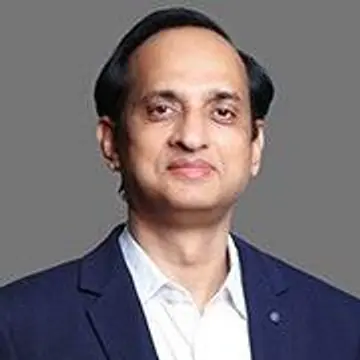
Dr. Basant Kumar
Scopus ID: 5720924353
Computer Science, Artificial Intelligence & Cybersecurity · Modern College of Business and Science, Oman · Lincoln University College, Malaysia.
Dr. Basant Kumar is an academic researcher and cybersecurity specialist with over 23 years of experience in higher education, research, and academic leadership. He serves as Program Head (Information Security) and Chair of the Departmental Research Committee at Modern College of Business and Science, Oman, and as Adjunct Research Faculty at Lincoln University College, Malaysia. He holds a Ph.D. in Computer Science (Cybersecurity) from Banasthali University, India, and has undertaken postdoctoral studies at Lincoln University College, Malaysia, and Eudoxia Research University, USA. His research encompasses artificial intelligence, cybersecurity, blockchain, privacy-preserving machine learning, and intelligent educational systems. His scholarly portfolio includes over 75 research publications, including contributions to Scientific Reports, IEEE conferences, and Springer publications. He has undertaken research projects supported by The Research Council of Oman, including blockchain-enabled vehicle tracking (OMR 6,200) and post-pandemic educational transformation (OMR 4,000), alongside institutional research grants. An IEEE Senior Member and Oman-CERT Professional Ambassador, he contributes to doctoral supervision, postgraduate research mentorship, scholarly peer review, and international academic collaboration.
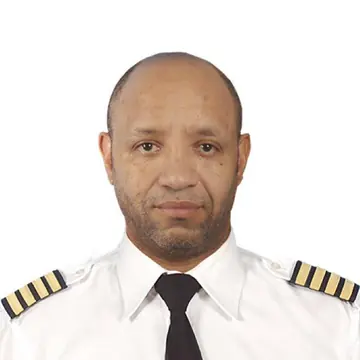
Dr. Oliver Züger
Aviation Psychology, Crew Resource Management, Leadership & Business Management · Lecturer and Dean, UCNIU, Zambia · Lecturer in Psychology and Business, Universidad Azteca · Captain and Type Rating Instructor, XEjet, Nigeria.
Dr. Oliver Züger is an aviation professional, academic, and author with over 25 years of experience spanning commercial aviation, psychology, professional training, and organizational leadership. He currently serves as a Captain and Type Rating Instructor at XEjet, Nigeria, alongside academic appointments as Lecturer and Dean at UCNIU, Zambia, and Lecturer in Psychology and Business at Universidad Azteca. His academic qualifications include an MSc in Psychology and university-own PhD and DBA degrees. He has also completed professional certification programmes in higher education teaching and leadership through Harvard University. His professional expertise encompasses aviation psychology, Crew Resource Management (CRM), flight instruction, psychological coaching, and leadership development. He has held aviation training appointments with Saudi Arabian Airlines, Vietnam Airlines Academy, and other international aviation organizations. An author of several books, including Happiness 101, The Psychology of Kindness, and Wings of Resilience, he integrates extensive operational aviation experience with academic teaching and professional development in psychology, human behaviour, and organizational leadership.

Prof. Dr. Daria Suprun
ORCID: 0000-0003-4725-094X
Psychology, Educational Management, Inclusive Education & Leadership · National University of Life and Environmental Sciences of Ukraine, Kyiv, Ukraine.
Prof. Dr. Daria Suprun is a Full Professor and Doctor of Pedagogical Sciences (Habilitation) at the National University of Life and Environmental Sciences of Ukraine. She holds a Ph.D. in Legal Psychology and specializes in educational management, clinical and special psychology, inclusive education, professional leadership, and interdisciplinary research methodology. Her scholarly portfolio comprises 300 scientific works, including monographs, textbooks, methodological publications, and research articles indexed in Scopus and Web of Science. Her international academic engagements include Erasmus+ Jean Monnet initiatives, DAAD programmes, and professional development programmes associated with Harvard University, alongside European research collaborations in inclusive education and sustainable development. A member of the Expert Council of Ukraine’s Ministry of Education and Science and an expert for the National Agency for Higher Education Quality Assurance, she contributes to doctoral research coordination, academic quality assessment, and international scholarly publishing. A recipient of the Cabinet of Ministers of Ukraine Scholarship for Young Scientists and the Pylyp Orlyk Medal for Scientific Achievements, she brings substantial expertise in advanced research methodology, interdisciplinary doctoral education, and international academic collaboration.
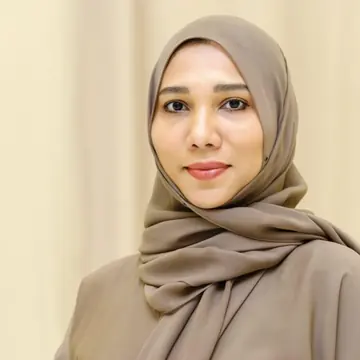
Prof. Dr. Mashael M. Khayyat
Scopus ID: 56986165100
Artificial Intelligence, Information Systems, Smart Logistics & Digital Transformation · University of Jeddah, Saudi Arabia · Trinity College Dublin, Ireland · Lincoln University College, Malaysia.
Prof. Dr. Khayyat is a Full Professor of Information Systems and Technology at the University of Jeddah, Saudi Arabia, and former Vice-Dean of the Faculty of Communication and Media. She holds a Ph.D. in Computer Science and Statistics from Trinity College Dublin, Ireland, and a Master of Technology Management from the University of New South Wales, Australia. She completed her Postdoctoral research under the Lincoln Global Postdoctoral Research Programme at Lincoln University College, Malaysia. Her interdisciplinary research encompasses artificial intelligence, machine learning, smart and sustainable logistics, digital transformation, IoT, and intelligent decision-support systems. Her scholarly contributions include publications in IEEE conferences, Sustainability, and Alexandria Engineering Journal, addressing green logistics, blockchain security, smart infrastructure, and AI-enabled applications. She has secured multiple competitive research grants from the University of Jeddah, including funding for industry-collaborative logistics research, distinguished research, and international research initiatives. Her academic leadership includes postgraduate programme development, research evaluation, scholarly peer review, and mentoring talented researchers. A recipient of the Makkah Digital Gateway Initiative Award for Research and Innovation, she brings extensive experience in interdisciplinary research, academic leadership, and technology-driven innovation, contributing to advanced doctoral scholarship and internationally relevant research.
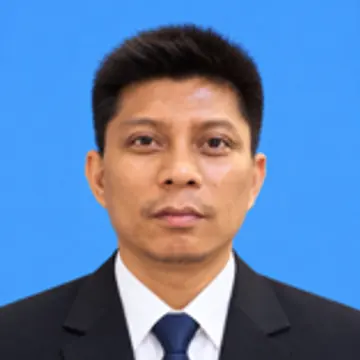
Dr. Arkar Htet
Scopus ID: 58859042900
Façade Engineering, Project Management, Artificial Intelligence & Sustainability · Mullion Façade Engineering School, Myanmar · Lincoln University College, Malaysia.
Dr. Arkar Htet is a Postdoctoral Researcher and Academic Dean of Mullion Façade Engineering School, Myanmar, with over 17 years of professional experience in façade engineering and construction project management. He holds a Ph.D. in Management and an M.Sc. in Civil Engineering from Lincoln University College, Malaysia, alongside an MBA from SMC University, Switzerland. His research encompasses sustainable building envelopes, adaptive façade technologies, artificial intelligence in engineering, construction risk management, and climate-resilient infrastructure. His scholarly portfolio includes over 40 research publications, with a Google Scholar h-index of 10. He is Co-Editor of Principles, Materials, and Applications in Facade Engineering (IGI Global, 2026) and Managing Editor of the Journal of Multidisciplinary Research for SMET. His contributions to engineering research, academic publishing, postgraduate instruction, and research methodology reflect his commitment to interdisciplinary scholarship and the development of advanced research capabilities.
Dr. Salau Ayodeji Olalekan
Scopus ID: 57204911824
Electrical Electronics and Computer Engineering, Afe Babalola University, Ado-Ekiti, Nigeria
Professor Ayodeji Olalekan Salau is a Professor of Electrical, Electronics and Computer Engineering at Afe Babalola University, Ado-Ekiti, Nigeria. He earned his PhD in Electronic and Electrical Engineering from Obafemi Awolowo University in 2018. His research spans artificial intelligence, computer vision, image processing, biomedical engineering, intelligent transportation systems, and communications engineering. He coordinates the ABUAD AI Hub and contributed to the development of Nigeria’s National Artificial Intelligence Strategy. A prolific researcher, he has authored numerous scholarly publications and received multiple research awards. He also chaired the organizing committee of IEEE NIGERCON 2024, advancing engineering research and international collaboration.

Dr. Anurag Shrivastava
Scopus ID: 58035982500
Electrical Electronics and Computer Engineering, · Lincoln University College Malaysia · SIMATS Chennai, India
Prof. Anurag Shrivastava is Professor at Lincoln University College, Malaysia & SIMATS Chennai India with over 26 years of academic, research, and institutional leadership experience. He holds a Ph.D. from Jaipur National University, completed a Postdoctoral research from Lincoln University College, and received an Honorary Doctor of Science (D.Sc.) from the University of Marlyne, USA, in 2025. His research encompasses VLSI design, artificial intelligence, machine learning, IoT, cybersecurity, and sustainable energy technologies. His scholarly portfolio reports 340 Scopus-indexed publications, over 9,100 citations, an h-index of 62, 50 textbooks, and 175 granted patents across multiple countries. He has secured research project funding from the United States and successfully managed major Indian government initiatives, including PMKVY and DDU-GKY. His academic contributions include supervision of two successfully completed Ph.D. degrees and guidance of 20 ongoing postdoctoral researchers. His extensive scholarly output, international
research funding experience, and leadership in government-supported programmes demonstrate a sustained commitment to research excellence, technological innovation, and advanced doctoral education.
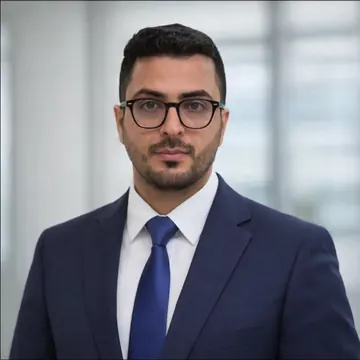
Muhammad Abul Hassan
Scopus ID: 59883235700
University of Trento, Italy.
Dr. Muhammad Abul Hassan is a researcher with the Information Engineering and Computer Science, University of Trento, Italy, where he earned his PhD in Information Engineering and Computer Science in 2026. His research focuses on reconfigurable intelligent surfaces, machine learning, physical-layer communications, and flying ad hoc networks for future wireless systems. He has published in IEEE Transactions on Consumer Electronics, IEEE Open Journal of the Communications Society, and major IEEE conferences. His recent work explores AI-driven network optimization, energy-efficient communication, and 6G technologies. He also reviews manuscripts for IEEE journals and conferences and serves on technical program committees for leading global international communications conferences.

Suresh Kumar Sahani
Scopus ID: 57223362001
Rajarshi Janak University, Janakpurdham, Nepal.
Dr. Suresh Kumar Sahani is an Assistant Professor in the Faculty of Science, Technology and Engineering at Rajarshi Janak University, Janakpurdham, Nepal. He earned his Ph.D. in Mathematics from Shri Venkateshwara University, India, in 2017 and subsequently completed postdoctoral studies at Lincoln University College, Malaysia, and National Kaohsiung University of Science and Technology, Taiwan. His research encompasses applied mathematics, numerical analysis, mathematical modelling, reliability engineering, optimization, and machine learning. He has contributed extensively to scholarly publications, authored academic books, supervised doctoral research, and undertaken editorial responsibilities for international journals, supporting interdisciplinary mathematical research and academic collaboration.
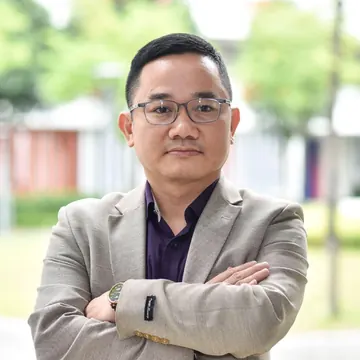
Tran Duc Tan
Scopus ID: 55425783200
Dean, Faculty of Electrical and Electronic Engineering, Phenikaa University, Vietnam.
Professor Tran Duc Tan is a distinguished academic in Electronics and Computer Engineering at Phenikaa University, Vietnam, specializing in advanced signal processing, intelligent sensors, and Internet of Things technologies. His research bridges fundamental scientific innovation with transformative applications in biomedical imaging, landslide early-warning systems, intelligent transportation, and wearable sensing. A recipient of numerous research awards, he has contributed to nationally funded projects and supervised doctoral, postgraduate, and undergraduate researchers. His international academic experience includes research engagements in France and the United States. His scholarly contributions demonstrate how doctoral research can advance technological frontiers while addressing significant real-world challenges.

Dr. Vicente Pironti
Open University Humaniza Brazil
Dr. Vicente Pironti is a Brazilian interdisciplinary researcher and Founder and President of Open University Humaniza, advancing the intersection of ethical technology, education, and sustainable development. A registered postdoctoral researcher at Lincoln University College, Malaysia, his work explores Compassionate Artificial Intelligence, Asavika Sciences, social innovation, and regenerative bioeconomies. Through international academic collaborations and research initiatives, he champions methodologies that connect scholarly inquiry with lasting societal impact. His commitment to mentorship, responsible innovation, and interdisciplinary dialogue offers aspiring
doctoral researchers an inspiring vision: pursuing original research that expands knowledge while contributing to more inclusive, humane, and sustainable futures worldwide.
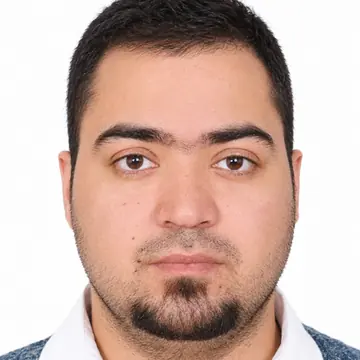
Dr. Omar Farshad Jeelani
Scopus ID: 59297720000
Antibes, France
Dr. Omar Farshad Jeelani is a cybersecurity researcher and lecturer at ITMO University, Russia, and Chief Technology Officer of Centrynex Cybersecurity Ltd., United Kingdom. He earned his Ph.D. in Information Security with honours in 2025, following advanced studies at EURECOM, France. His research advances trustworthy artificial intelligence for healthcare, integrating reinforcement learning, privacy-preserving machine learning, and intelligent intrusion detection for connected medical systems. An award-winning researcher and Editorial Board Member of SAGE’s Digital Health, he combines academic excellence with industry expertise. His interdisciplinary research demonstrates how doctoral innovation can address critical global challenges in cybersecurity, healthcare, and emerging technologies.

Prof. Dr. Tamara Zhukabayeva
Scopus ID: 54421719900
Department of Computer Engineering, Qazaq AI Research University, Kazakhstan.
Professor Dr. Tamara Zhukabayeva is an internationally recognized faculty at the Qazaq AI Research University, Kazakhstan, specializing in artificial intelligence, cybersecurity, and intelligent cyber-physical systems. With over 125 scholarly works, including 98 publications in reputed journals & conferences, she leads funded research addressing emerging technological challenges. Having successfully supervised five PhD dissertations and 32 master’s theses, she brings extensive experience in nurturing independent researchers and advancing high-impact scholarship. Her international research collaborations, IEEE leadership, and editorial contributions provide a strong
foundation for doctoral mentorship. She inspires aspiring PhD scholars to pursue pioneering research, achieve international publication excellence, and translate scientific discoveries into transformative technological solutions.
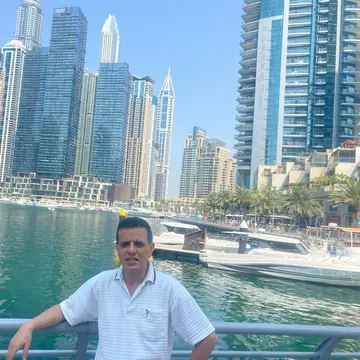
Prof. Dr. Basim Alhadidi
Scopus ID: 12784597800
Department of Computer Information Systems. Prince Abullah Bin Ghazi Faculty of Information and Communication Technology Al-Balqa Applied University, Jordan.
Professor Basim Alhadidi is a Full Professor of Computer Information Systems at Al-Balqa Applied University, Jordan, with extensive expertise in cybersecurity, computer networks, artificial intelligence, and digital image processing. His interdisciplinary research encompasses secure cloud computing, wireless networks, medical image diagnostics, intelligent information systems, blockchain security, and emerging applications of generative AI. Holding a Ph.D. in Engineering Science from the National Technical University of Ukraine, he has contributed to international scholarly publications and research books. An experienced postgraduate supervisor, doctoral examiner, and international keynote speaker, he inspires aspiring researchers to pursue original investigations, interdisciplinary discoveries, and impactful technological innovations.
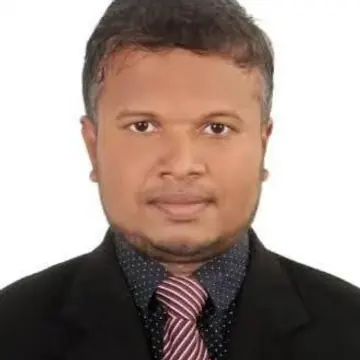
Prof. Dr. Md Helal Miah
Scopus ID: 57301397800
North China University of Water Resources and Electric Power.
Professor Helal Miah is an accomplished aerospace engineer and interdisciplinary researcher specializing in artificial intelligence, advanced manufacturing, and engineering knowledge management. He holds doctorates from Zhengzhou University, China, and Chandigarh University, India, with postdoctoral research affiliations at Lincoln University College, Malaysia, and North China University of Water Resources and Electric Power, China. His scholarly portfolio comprises 47 journal publications addressing intelligent aircraft assembly, advanced materials, deep learning, and AI-driven defect detection. Combining industrial aerospace engineering experience with international academic research, he brings substantial expertise in translating theoretical advances into practical engineering innovations, fostering rigorous, interdisciplinary, and application-oriented doctoral research.
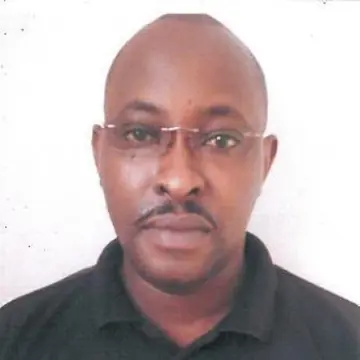
Dr. Daniel Thuo Ndung’u
South Eastern Kenya University, Kenya.
Dr.Daniel Thuo Ndung’u is a Faculty in Finance at South Eastern Kenya University, Kenya, and a Postdoctoral Researcher at Lincoln University College, Malaysia. He holds a Ph.D. in Business Administration (Finance) from Laikipia University. His research encompasses investment management, real estate investment trusts, financial inclusion, corporate governance, and Environmental, Social and Governance (ESG) integration. A recipient of institutional and international research grants, he has contributed to scholarly publications in finance and sustainability. His academic responsibilities include postgraduate research supervision, doctoral thesis examination, curriculum development, and research policy review, reflecting his commitment to rigorous academic scholarship and doctoral research development.

Prof. Ainur Zhumadillayeva
Scopus ID: 57188574944
Institute of Digital Sciences and Artificial Intelligence; Professor, Department of Computer and Software Engineering, L.N. Gumilyov Eurasian National University, Kazakhstan.
Professor Ainur Zhumadillayeva serves as the Deputy Director of the Institute of Digital Sciences and Artificial Intelligence and is a professor in the Department of Computer and Software Engineering at L.N. Gumilyov Eurasian National University (Kazakhstan). Holding a PhD in Mathematical Modeling, Numerical Methods and Software , she specializes in machine learning, predictive analytics, data mining, optimization methods, and Internet of Things (IoT) technologies. She has authored over 60 scientific publications in reputable journals. Under her academic supervision, 8 doctoral dissertations and more than 50 master’s theses have been successfully defended. Ainur Zhumadillayeva has been honored with a state award from the Republic of Kazakhstan for her contributions to scientific research and has also been recognized as a “Best University Lecturer.” She leads several research projects and participates in national-level academic assessment and project evaluation processes.
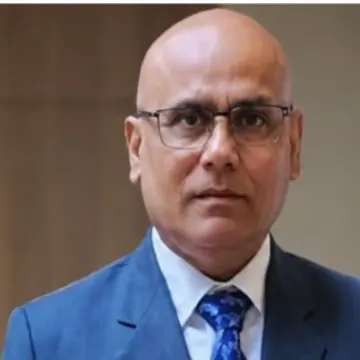
Prof. Satyanand Singh
Scopus ID: 55697935700
Fiji National University, Fiji.
Professor Dr. Satyanand Singh is Associate Dean for Learning and Teaching at Fiji National University, with 23 years of teaching and multidisciplinary research experience in Electronics and
Communication Engineering. He earned his Ph.D. from JNTU Hyderabad and undertook postdoctoral research at the University of the South Pacific. His research encompasses digital signal processing, speaker recognition, satellite communications, artificial intelligence, and IoT. He has undertaken research projects for Telecom Fiji on IoT-based fuel monitoring and collaborated with the University of the South Pacific, CNR Italy, and the University of Milano-Bicocca on underwater acoustic monitoring. His research portfolio includes projects funded by Kazakhstan’s Ministry of Science and Higher Education, focusing on scientific impact assessment and industrial digital competencies, alongside an EU Jean Monnet initiative on disruptive technologies and sustainability. His international publications, editorial responsibilities, funded research involvement, and doctoral examination appointments demonstrate extensive experience in academic research and postgraduate education.

Dr. Özlem Gülsüm Kılıçkaya
Scopus ID: 58186576100
University of the People USA.
Dr. Özlem Gülsüm Kılıçkaya is an Assistant Professor at the University of the People USA, and a Postdoctoral Researcher at Lincoln University College, Malaysia. She also serves as Chief Scientist and Vice President at SensAI Diagnostics, bringing over 12 years of interdisciplinary experience in artificial intelligence, machine learning, signal processing, robotics, and computational modelling. Holding a Ph.D. in Engineering from Pebble Hills University, her research encompasses explainable AI, computer vision, autonomous systems, cybersecurity, and intelligent sensor fusion. Her scholarly contributions include publications in Scientific Reports and IEEE conferences. With experience in international research collaboration, student mentorship, multidisciplinary project leadership, and scientific peer review, she contributes expertise to advanced interdisciplinary research and academic scholarship..

Prof.Dr. Yoga Prihatin
Dean Teacher Training, Universitas Pancasakti Tegal, Indonesia
Associate Professor Dr. Yoga Prihatin is Dean of the Faculty of Teacher Training and Education at Universitas Pancasakti Tegal, Indonesia, and Coordinator of Internationalization for LLDikti Region VI, Central Java. She holds a Ph.D. in English Education from Semarang State University and has held international visiting academic appointments in Russia, Uzbekistan, and Taiwan. Her academic contributions encompass international scholarly engagement, doctoral dissertation evaluation, educational leadership, and editorial responsibilities for academic journals. She serves as Editor-in-Chief of Cakrawala: Jurnal Pendidikan and has participated in international Ph.D. examination panels. Recipient of the CMO Asia Excellent in Education Award and Woman Leadership Award, she brings international academic experience, institutional leadership, and doctoral-level evaluation expertise to postgraduate education and research.

Prof. Dr. Valentina Vasile
Scopus ID: 26326035800
Institute of National Economy, Bucharest, Romania.
Prof. Valentina VASILE, Bec and MSc in Finance and Accounting, and PhD in Economics (Bucharest, Romania), is a Full Professor and Senior Researcher at the Institute of National Economy, Romanian Academy. She also serves as Director of the institute and teaches at Nicolae Titulescu University of Bucharest. Dr. Vasile is a PhD coordinator of the Doctoral School of Economic Sciences, Doctoral School of Advanced Studies of the Romanian Academy (SCOSAAR). Her research interests include: digital economy & technology transition; AI Impact on labour and skills; labour economics, migration, human capital; social policies; sustainable development, and circular economy, with over
300 papers published in top academic journals and participation in more than 110 research projects, both nationally and internationally, funded by programs like Horizon 2020, the Black Sea Basin ENI CBC, CEDEFOP, ILO Geneva, ILO-CEET, Norwegian Financial Mechanisms and from the Romanian research funds. Has collaborated with universities such as Hitotsubashi University in Tokyo, Agean University from Greece, etc. Between 2004-2020, she has served as correspondent of EurWORK European Observatory of Working Life, for Romania, Eurofound, in labor policy and working conditions. Since 2023 she is Member of the Body of Experts from the National Register of Experts for the certification of research and development activity, based on Ministerial Order no. 20242/13.02.2023 in the field of intelligent specialization at the national level: 6. Environment and eco-technologies. Is member of the International Research Institute for Economics and Management, fellow of the International Engineering and Technology, member of the Community on Smart Data and Digital Technology in Education, of the European Expert Network on Economics of Education of WES Group (World Economic Survey), ifo INSTITUTE, ifo Center for Business Cycle Analysis and Surveys, etc. He is the author of articles published in prestigious international WoS indexed journals, author and coordinator of editorial volumes published in Palgrave Macmillan, Springer, Cambridge Scholars Publishing, Edward Elgar Publishing House, Economic research series of Hitotsubashi Daigaku. Keizai Kenkyūjo, St. Martin’s Press Inc., New York, etc
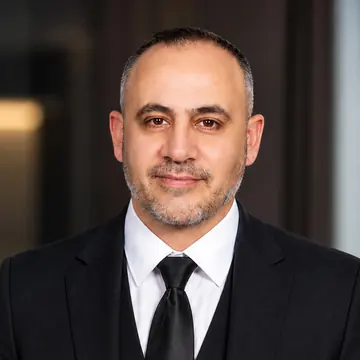
Dr. Firas Tayseer Ayasrah
Scopus ID: 57216162328
Former: ICT in Education / Educational Technology Al Ain University, UAE.
Dr. Firas Tayseer Ayasrah is an academic and researcher specializing in Educational Technology and Information and Communication Technology (ICT) in Education, with over 12 years of academic teaching and research experience in higher education. He holds a PhD in Communication and Information Technology in Education from Universiti Malaysia Perlis (UniMAP), Malaysia. His research interests include Artificial Intelligence in Education, Educational Technology, ICT in Education, Generative AI in Higher Education, E-Learning, Digital Learning Environments, Instructional Design, Learning Analytics, and Digital Transformation in Education. Dr. Ayasrah has extensive experience in undergraduate and postgraduate teaching, academic research, curriculum development, postgraduate research supervision, and scholarly publishing. He has contributed to international research collaborations and has been actively involved in academic editorial activities, peer review, and scholarly publishing initiatives.
His research focuses on advancing educational innovation, integrating emerging technologies into teaching and learning, and exploring the transformative potential of artificial intelligence and digital technologies in higher education. He is particularly interested in international academic collaboration, postgraduate research supervision, interdisciplinary research projects, and initiatives that promote innovation and excellence in higher education.
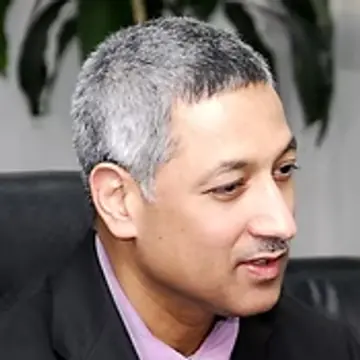
Prof. Ebrahim Abdulla Mattar
Robotics and Cybernetics College of Engineering University of Bahrain. · Chair, IET Bahrain.
Prof. Ebrahim A. Mattar is a Professor of Cybernetics and Robotics at the University of Bahrain. He received his B.Sc. in Electrical Engineering from the University of Bahrain (1986), M.Sc. in Electronics from the University of Southampton (1989), and Ph.D. in Cybernetics from the University of Reading (1995), under the supervision of Prof. K. Warwick. He completed the Gulf Executive Development Programme at the University of Virginia’s Darden School of Business in 2000, as one of the selected participants from GCC countries. He is affiliated with several professional organizations, including IEEE (Senior Member), IET (MIET), Bahrain Society of Engineers (MBSE), and IFAC. He also chaired the IET Bahrain Local Network for two terms. His research contributions include involvement in 18 research projects, including robotics research in Saudi Arabia (2010–2014). He has supervised numerous Ph.D., M.Sc., and undergraduate research projects. His current research focuses on multidimensional brainwave analysis, biometric data mining, EEG decoding, machine learning, and intelligent robotic control. He has served on editorial boards and technical committees of 16 journals and conferences and reviewed manuscripts for numerous international journals. He has received 21 awards and recognitions for his academic, research, and professional contributions. His administrative appointments include Director of Continuing Engineering Education (1998–2002), Head of the Electrical and Electronics Engineering Department (2004–2009 and 2011–2013), and Director General of Bahrain Training Institute (2011–2013). He has chaired several research and
accreditation committees, including the University of Bahrain’s ABET Accreditation Committee, contributing to the successful accreditation of Electrical and Electronics Engineering programmes. He also served on Bahrain’s National Higher Education Skills and Innovation Steering Committee and the University’s Research Strategy Committee. He has organized two major international conferences, 11 IET symposia and colloquia, and conducted approximately 20 engineering and educational workshops.

Dr. Parash Chettri
Lincoln University College Malaysia · Brainworks International School Myanmar · MMA coach, Special Forces- Indian Army.
Dr. Parash Chettri is a Postdoctoral Research Fellow at Lincoln University College, Malaysia, and Biology Educator at Brainworks International School, Myanmar, with over a decade of experience in science education, research mentorship, and high-performance sports training. He holds a Ph.D. in Health Sciences from Lincoln University College and an M.Sc. in Zoology, specializing in Cell and Molecular Biology, from North Bengal University, India. His research focuses on sports and exercise physiology, cardiovascular fitness, autonomic recovery, and physiological assessment of combat-sport athletes. As Principal Investigator, he leads a cross-sectional cardiovascular research study involving 120 athletes across Boxing, Lethwei, and Taekwondo, employing treadmill testing, heart-rate recovery analysis, and cardiovascular screening. A former Mixed Martial Arts Coach for the Indian Army, he trained personnel from the Army Service Corps, Corps of Signals, and Army Medical Corps in unarmed combat and martial arts. A black-belt martial artist and international and national championship medalist, he combines practical expertise in human performance with scientific research. His interdisciplinary experience in biological sciences, sports physiology, research methodology, and academic mentorship provides a foundation for doctoral research integrating human health, physical performance, and applied biomedical sciences.

Prof. Dr. Olena Hrybiuk
Scopus ID: 57208627941ORCID: 0000-0003-3402-0520
Artificial Intelligence, Data Science, Computer Engineering & Educational Technology · International Science and Technology University, Kyiv, Ukraine.
Prof. Dr. Olena Hrybiuk is a Computer Engineering academic and researcher at the International Science and Technology University, Ukraine, and Chief Technology Officer at the Clever AI and Data Science Research Centre. With over 23 years of academic and industry experience, she specializes in artificial intelligence, data science, software engineering, cloud computing, and IoT. Her scholarly contributions include over 327 scientific publications, 25 teaching manuals, and participation in 17 research projects. She has chaired 17 international conferences and delivered numerous keynote presentations. Her research explores AI-driven educational technologies, cognitive processes, and innovative computer-based learning environments for STEM education.
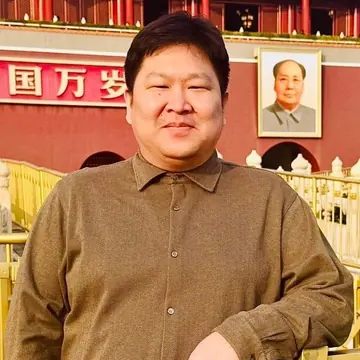
Professor Dr.Kittisak WONGMAHESAK
Scopus ID: 57214268798
North Bangkok University Thailand.
Professor Kittisak WONGMAHESAK is a Professor at the Faculty of Political Science, North Bangkok University, Thailand. He holds a Ph.D. in Social Sciences (Political Science) from Kasetsart University, alongside postgraduate qualifications in Public Administration, Business Administration, and Political Science. His interdisciplinary research encompasses political science, public & private management, international political economy, and socio-legal & social research. His academic profile reports a Scopus h-index of 59 and Web of Science h-index of 45. His international academic appointments include former full professorships at Henan University of Economics and Law, China, and the University of City Island, Cyprus, as well as research affiliations with Lincoln University College and Universiti Sultan Zainal Abidin, Malaysia, and universities in Thailand and Indonesia. An experienced academic editor and researcher, he contributes to scholarly journals including International Journal of Public Policy and Administration Research, Sustainable Social Development, Asian Academy of Management Journal, Sustainability, and World Food Policy. His extensive international research collaborations, editorial engagements, and involvement in doctoral-level education reflect his sustained commitment to interdisciplinary scholarship, research excellence, and advancing political science and management research.
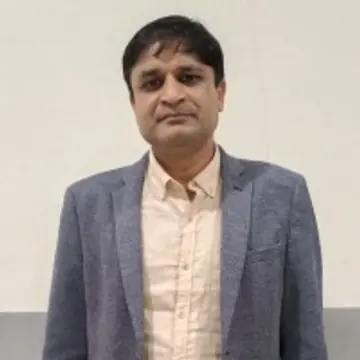
Dr. Toran Verma
Department of Computer Sciences CSVTU Bhilai India
Dr. Toran Verma is an Associate Professor in the Department of Computer Science and Engineering at the University Teaching Department of Chhattisgarh Swami Vivekanand Technical University (CSVTU), Bhilai. He earned his Ph.D. in Computer Science and Engineering from CSVTU and has a research background spanning computer science, image processing, pattern recognition, machine learning and soft computing. His research has included applications of artificial intelligence and image/video processing to agricultural problems, particularly rice-plant disease detection and prediction. Dr. Verma has published research in peer-reviewed journals and conference proceedings and has also contributed to work on machine-learning-based applications and agricultural data mining. He has been instrumental in setting up several skill development programmes at CSVTU Bhilai.
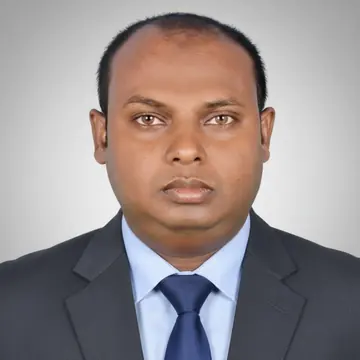
Dr. Rubel Amin
ORCID: 0000-0003-4343-7598
Lincoln University College Malaysia · IUBAT Business School International University of Business Agriculture and Technology (IUBAT) Dhaka, Bangladesh.
Dr. Rubel Amin a researcher with Lincoln University College, Malaysia, and adjunct Faculty in Supply Chain Management at IUBAT and International Standard University, Bangladesh. He holds a Ph.D. in Business Management from Chandigarh University, India. With over 16 years of industry experience, his research encompasses sustainable supply chains, ESG, AI-driven logistics, and operational efficiency. His scholarly contributions include publications in Corporate Social Responsibility and Environmental Management, VINE Journal of Information and Knowledge Management Systems, and IEEE conferences. He integrates industry expertise with interdisciplinary research, academic mentorship, and applied management scholarship.
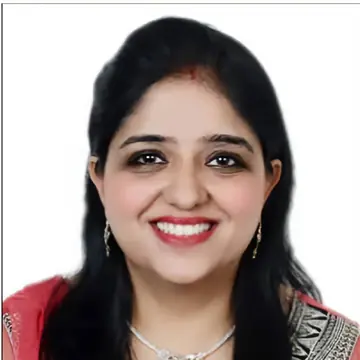
Prof. Dr. Monica Bhutani
Scopus ID: 57216687628
Bharati Vidyapeeth, New Delhi India.
Dr. Monica Bhutani is an Associate Professor at Bharati Vidyapeeth’s College of Engineering, New Delhi, and Adjunct Research Faculty and Postdoctoral Supervisor at Lincoln University College, Malaysia. She holds a Ph.D. from IIT Delhi and has over 19 years of teaching experience. Her research encompasses optical wireless communication, Li-Fi, wireless sensor networks, artificial intelligence, and IoT. She has published in IEEE Access and other international journals, edited scholarly books, and holds two granted design patents. An editorial board member of Discover Artificial Intelligence (Springer Nature), she actively contributes to doctoral mentorship, research supervision, and interdisciplinary academic collaboration.
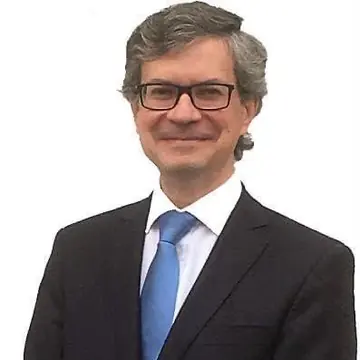
Prof. Dr. Luís Miguel Cardoso
Scopus ID: 57613889100ORCID: 0000-0003-3748-5593
Education, Digital Literacy, Artificial Intelligence, Communication & Media Studies · Polytechnic University of Portalegre, Portugal · University of Lisbon, Portugal.
Prof. Dr. Luís Miguel Cardoso is an Associate Professor at the Polytechnic University of Portalegre, Portugal, and researcher at the University of Lisbon’s Centre for Comparative Studies. He holds a Ph.D. from the University of Coimbra and previously served as Dean of Portalegre’s Higher School of Education and Social Sciences (2010–2018). His research encompasses digital literacy, pedagogical innovation, artificial intelligence in education, communication, cyberculture, and film studies. An experienced doctoral supervisor and academic leader, he has delivered over 200 international presentations since 2019 and contributed to Erasmus+ educational collaborations, UNESCO-related cultural initiatives, and international interdisciplinary research.
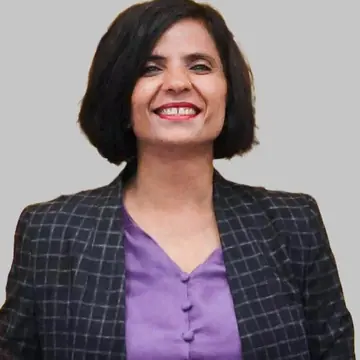
Dr. Monica Arora
Scopus ID: 60018356000ORCID: 0009-0003-0633-6621
Pharmaceutical Sciences, Medicinal Chemistry, Computational Drug Design & Molecular Pharmacology · Villa College, Maldives · Lincoln University College, Malaysia.
Dr. Monica Arora is an Assistant Professor at Villa College, Maldives, and a participant in the Lincoln Global Postdoctoral & Researcher Programme at Lincoln University College, Malaysia. She holds a Ph.D. in Pharmaceutical Sciences from Rajiv Gandhi University of Health Sciences, India. Her research encompasses medicinal chemistry, structure-based drug design, molecular docking, pharmacological screening, and computational therapeutics. Formerly Professor and Head-in-Charge of Pharmaceutical Chemistry at Al-Ameen College of Pharmacy, she has extensive experience in research supervision and academic leadership. She has secured national and international research grants, authored pharmaceutical research publications, and contributed to interdisciplinary drug discovery and healthcare research.

Prof. Dr. Zinaida Zhyvko
Scopus ID: 36070249600ORCID: 0000-0002-4045-669X
Economic Security, Strategic Management, Investment Management & Business Economics · Ukrainian State Aviation Academy, Ukraine.
Prof. Dr. Zinaida Zhyvko is a Professor at the Ukrainian State Aviation Academy, Ukraine, holding a Doctor of Economic Sciences degree with specialization in enterprise economic security. Her research encompasses strategic management, investment management, economic resilience, entrepreneurship, and national security. She previously served at Lviv State University of Internal Affairs, contributing to management education and economic security research. She has successfully secured and implemented German Academic Exchange Service (DAAD) grants supporting international academic mobility and collaboration. An active researcher and editorial board member of several international journals, she contributes to interdisciplinary scholarship in economic security, sustainable development, and organizational management.
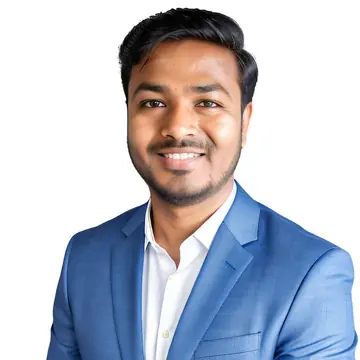
Dr. Eshwar Reddy Cholleti
Artificial Intelligence, Machine Learning, Data Science, Robotics & Advanced Materials · Ph.D., The University of Auckland, New Zealand · Founder, NeuroEdCon AI.
Dr. Eshwar Reddy Cholleti is an AI-ML Engineer, Data Scientist, and Researcher based in Auckland, New Zealand, with over a decade of academic and industrial experience. He holds a Ph.D. in Mechanical Engineering from The University of Auckland, specializing in experimental data analysis, statistical modelling, sensor technologies, and predictive analytics. His interdisciplinary research encompasses artificial intelligence, machine learning, robotics, polymer nanocomposites, stretchable sensors, and additive manufacturing, with contributions to peer-reviewed scientific publications. As Founder of NeuroEdCon AI, he develops advanced AI solutions involving large language models (LLMs), retrieval-augmented generation (RAG), natural language processing, and semantic search. His industry experience includes AI and data engineering roles at Wireless Nation and Wine-Searcher, along with technology development at 3D Srishti Pvt. Ltd. An experienced academic mentor, he supports doctoral and postdoctoral researchers in research methodology, computational modelling, machine learning, scientific writing, and publication development, bridging engineering sciences with emerging artificial intelligence technologies.

Prof. Dr. Özen Özer
Scopus ID: 56825400100
Number Theory, Algebra, Cryptography, Mathematical Analysis, Artificial Intelligence & Machine Learning · Kırklareli University, Türkiye.
Prof. Dr. Özen Özer is a Full Professor in the Department of Mathematics at Kırklareli University, Türkiye. She obtained her Ph.D. in Mathematics from Süleyman Demirel University, following her Bachelor’s and Master’s degrees from Trakya University. Her research encompasses algebra, number theory, Diophantine equations, real quadratic number fields, fixed point theory, cryptography, mathematical modelling, artificial intelligence, and machine learning. Her academic portfolio includes over 100 reported research publications, scholarly book contributions, and numerous international conference presentations. Her Scopus profile records 59 documents, 162 citations, and an h-index of 6. She has held academic leadership positions, contributed to international research collaborations, and served as a reviewer and editorial board member for scholarly publications. She has also received academic and publication incentives from YÖK and TÜBİTAK in recognition of her research contributions.
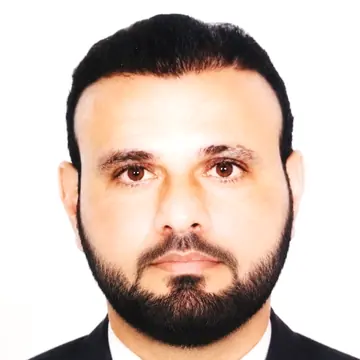
Dr. Khakemin Khan
Scopus ID: 57193429760ORCID: 0000-0003-4919-9420
Photocatalysis, Semiconductor Materials, Solar Fuels, Hydrogen Production, CO₂ Reduction & Energy Storage · University of Trento, Italy; University of Electronic Science and Technology of China.
Dr. Khakemin Khan is a materials chemist with over 10 years of academic, teaching, and research experience in photocatalysis, semiconductor heterostructures, sustainable energy materials, and electrochemical energy conversion. He obtained his Ph.D. in Physical Chemistry from the Chinese Academy of Sciences, China, and subsequently conducted postdoctoral research at the University of Electronic Science and Technology of China and the University of Trento, Italy. His research focuses on solar-driven hydrogen production, CO₂ photoreduction, plastic waste photoreforming, charge-carrier dynamics, perovskite oxides, and advanced nanocomposites. His CV reports 32 peer-reviewed publications and an h-index of 18, including research published in Advanced Functional Materials, Chemical Engineering Journal, and Journal of Materials Chemistry A. A recipient of the CAS-TWAS President’s Fellowship, he has contributed to international research collaborations, postgraduate supervision, and scholarly peer review.
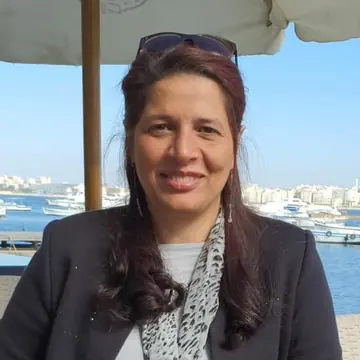
Prof. Dr. Abeer El Wakil
Scopus ID: 14028499000ORCID: 0000-0003-2117-0677
Molecular Biology, Neuroscience, Cancer Biology, Neuroendocrinology & Biomedical Sciences · Alexandria University, Egypt.
Prof. Dr. Abeer El Wakil is a Professor of Molecular Biology at Alexandria University, Egypt, holding a Ph.D. from Pierre and Marie Curie University (Paris VI), France. Her research encompasses molecular biology, neuroscience, cancer biology, neuroendocrinology, cellular signalling, and experimental therapeutics. She has held academic and research positions at Umeå University, Sweden, and research institutions in France and Germany. She previously served as Vice-Dean for Higher Studies and Research and Vice-Head of International Relations at Alexandria University. Her CV reports approximately 73 research articles and an h-index of 22. She has secured competitive research funding through Marie Curie Actions, CNRS, ANR, and international collaborative programmes. An active academic editor, researcher, and international collaboration coordinator, she contributes to interdisciplinary biomedical research and higher education development.

Prof. Dr. Lucia Carrion Gordon
Scopus ID: 56556541300
Digital Transformation, Information Systems, Data Analytics, Cybersecurity, Digital Heritage Preservation & Strategic Management · Charles Darwin University, Western Sydney University, Australia & Kennedy University Global Faculty Network.
Prof. Dr. Lucia Carrion Gordon is an academic researcher and higher education professional with extensive experience in information technology, digital transformation, computational systems, and business management. She holds a Ph.D. in Computer Systems from the University of Technology Sydney, Australia, and a doctorate in Business Administration from the European Institute of Management & Technology, Switzerland. She has held academic and programme leadership positions at Charles Darwin University, Western Sydney University, and several Australian higher education institutions. In 2025, she received an Honorary Professorship through the Kennedy University Global Faculty Network. Her research encompasses digital heritage preservation, data analytics, information systems, cybersecurity, artificial intelligence applications, and strategic management. She has contributed to international journals, IEEE conferences, and scholarly book chapters. Her academic activities also include curriculum development, research supervision, quality assurance, and industry–academia collaboration.
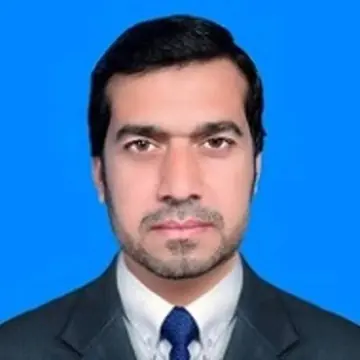
Prof. Dr. Muhammad Janas Khan
Software Engineering, Artificial Intelligence, Big Data Analytics, Internet of Things, Cloud Computing & Agile Software Development · Afghan International Islamic University, Kabul, Afghanistan.
Prof. Dr. Muhammad Janas Khan is the Dean and Professor of the Faculty of Computer Science, Department of Software Engineering, at Afghan International Islamic University, Kabul, Afghanistan. He earned his MS in Computer Science, specializing in Software Engineering, from COMSATS University Islamabad, Pakistan, and pursued his Ph.D. in Computer Science, specializing in Software Engineering, at Sarhad University of Science and Information Technology, Peshawar, Pakistan. His research interests encompass empirical software engineering, software product lines, requirements engineering, big data analytics, artificial intelligence, Internet of Things, cloud computing, agile software development, and global software engineering. He has authored research articles published in international journals and conference proceedings. His academic contributions focus on advancing software engineering methodologies, intelligent computing technologies, and interdisciplinary research in modern software systems.
Here to help with the portal